

8 Best Hair Fall Treatments: Medical and Natural Options
The most effective fall hair treatment depends on why you are shedding. For most people, the best starting points are minoxidil for gradual thinning, a doctor-led check of iron, vitamin D and thyroid for sudden shedding, and gentler hair care for everyone. Men with a receding hairline may add finasteride through a doctor. If you prefer something milder, scalp serums and home remedies are worth trying, and hair fibers hide the gap while you wait.
Hair fall is confusing because losing 50 to 100 strands a day is normal, yet a wider parting or a clump in the shower drain feels alarming. Shelves are full of products that promise regrowth, and most of them skip the question that matters: what is causing your shedding? Treating the wrong cause wastes months, and hair responds slowly.
This guide ranks eight options by how well they are supported, from medical treatments to natural ones. For each, you get how it works, who it suits, and what results, risks and costs to expect. Prokarehub stocks a Hair Fall Control & Re-Growth range, so you will also see where those scalp products fit and where they do not. None of this replaces a diagnosis from a dermatologist.
1. Minoxidil
How it works
Minoxidil is the treatment most dermatologists start with for gradual thinning. You apply it to the scalp as a liquid, foam or shampoo. It widens the blood vessels around the follicle and extends the growth phase of the hair cycle, so weak follicles produce thicker hair for longer.
It is sold over the counter, and the label sets the strength and frequency. Mayo Clinic's guidance is once daily for women and twice daily for men. Many people find the foam easiest to use on wet hair.
Who it suits
Minoxidil suits men and women with gradual thinning at the crown or a widening parting. It works best when you start early, while follicles are shrunken but still alive. It is a poor fit for sudden shedding after illness or for smooth, round bald patches, because those have different causes.
- Good fit: slow thinning over months or years
- Poor fit: shedding that started suddenly, or patchy loss
- Ask a doctor first if you are pregnant or breastfeeding
Results, risks and cost
Expect to use it for at least six months before it stops further loss and starts regrowth. It may take a few more months to judge whether it works for you. Shedding can rise in the first 2 to 4 weeks as weak hairs are pushed out. That is not a reason to stop.
The usual side effects are scalp irritation and unwanted hair on nearby skin of the face and hands. Stop using it and the thinning returns.
Minoxidil slows pattern hair loss and regrows some hair, but only for as long as you keep applying it.
It is widely available and usually cheaper than serums, but prices vary by brand and strength, so compare cost per month rather than per bottle.
2. Finasteride and other prescription pills
How it works
Finasteride is a daily prescription pill for men. It blocks the enzyme that converts testosterone into DHT, the hormone that shrinks follicles in pattern baldness. With less DHT acting on the scalp, thinning slows, and some men see new growth.
Other oral options exist. Doctors may prescribe spironolactone or dutasteride in selected cases. Spironolactone is sometimes considered for women when a hormonal cause such as PCOS is involved.
Who it suits
Finasteride suits men with a receding hairline or crown thinning who want the strongest medical option. It may work less well for men over 60. It is not for women who are or may become pregnant, and pregnant women should avoid touching crushed or broken tablets.
Because these are prescription drugs, a doctor needs to confirm that your loss is hormonal. If you are a woman with thinning plus irregular periods, acne or facial hair, ask about a PCOS check before any pill.
Results, risks and cost
It takes a few months to see whether finasteride is working, and you must keep taking it to keep the benefit. Rare side effects include lower sex drive and sexual function. Tell your doctor if you notice either.
If you are a man with early pattern loss, a doctor-supervised pill is the strongest step you can take, so ask about it before spending on serums.
Many men combine finasteride with minoxidil. Your doctor will set the dose, the follow-up and the monthly budget.
3. Treating the cause: tests, nutrition and triggers
How it works
Sudden, diffuse shedding is often telogen effluvium. A trigger pushes many follicles from the growth phase into the resting phase at once, and the hair falls 2 to 4 months later. Because of this delay, people rarely connect the shedding to the event that caused it.

Fix the trigger and the hair regrows, usually within 6 to 12 months. A doctor will take your history and may order a blood test and a pull test to find the cause.
| Trigger | When shedding starts | What helps |
|---|---|---|
| Illness, high fever, surgery, crash dieting | 2 to 4 months later | Remove the trigger, eat enough protein and calories |
| Childbirth | 3 to 6 months after delivery | Usually settles in 6 to 12 months |
| Low iron | Gradual, diffuse | Check ferritin, correct under medical advice |
| Thyroid disorder | Diffuse thinning | Thyroid test (TSH, T3, T4) and treatment |
| Vitamin D or B12 deficiency | Gradual | Blood test, then targeted correction |
| PCOS | Thinning with irregular periods or acne | Gynecologist or endocrinologist review |
| New medication | Weeks to months after starting | Discuss with your doctor, never stop on your own |
Who it suits
This step suits everyone, and above all people whose shedding came on suddenly. It also matters for women with heavy periods, vegetarians, and anyone who has recently dieted hard. Ferritin below about 30 ng/mL is linked with increased shedding.
Results, risks and cost
Test before you supplement. The American Academy of Dermatology warns that too much selenium, vitamin A or vitamin E has been linked to hair loss, so a random hair vitamin can backfire. A basic panel of blood tests is a small cost compared with months of guessing.
Food comes first. Build meals around dal, eggs, paneer, spinach, ragi and pumpkin seeds, and pair iron-rich foods with a vitamin C source such as amla, lemon or tomato to improve absorption.
Shedding that starts suddenly usually has a trigger, and finding it is cheaper and faster than trying products.
4. Aminexil and scalp serums
How it works
Aminexil is a scalp-care ingredient that brands use in anti-hair-loss serums, ampoules and shampoos. The brands position it as strengthening the hair at the root and stimulating scalp circulation. These are cosmetic care products, not drugs, and independent evidence is thinner than for minoxidil.
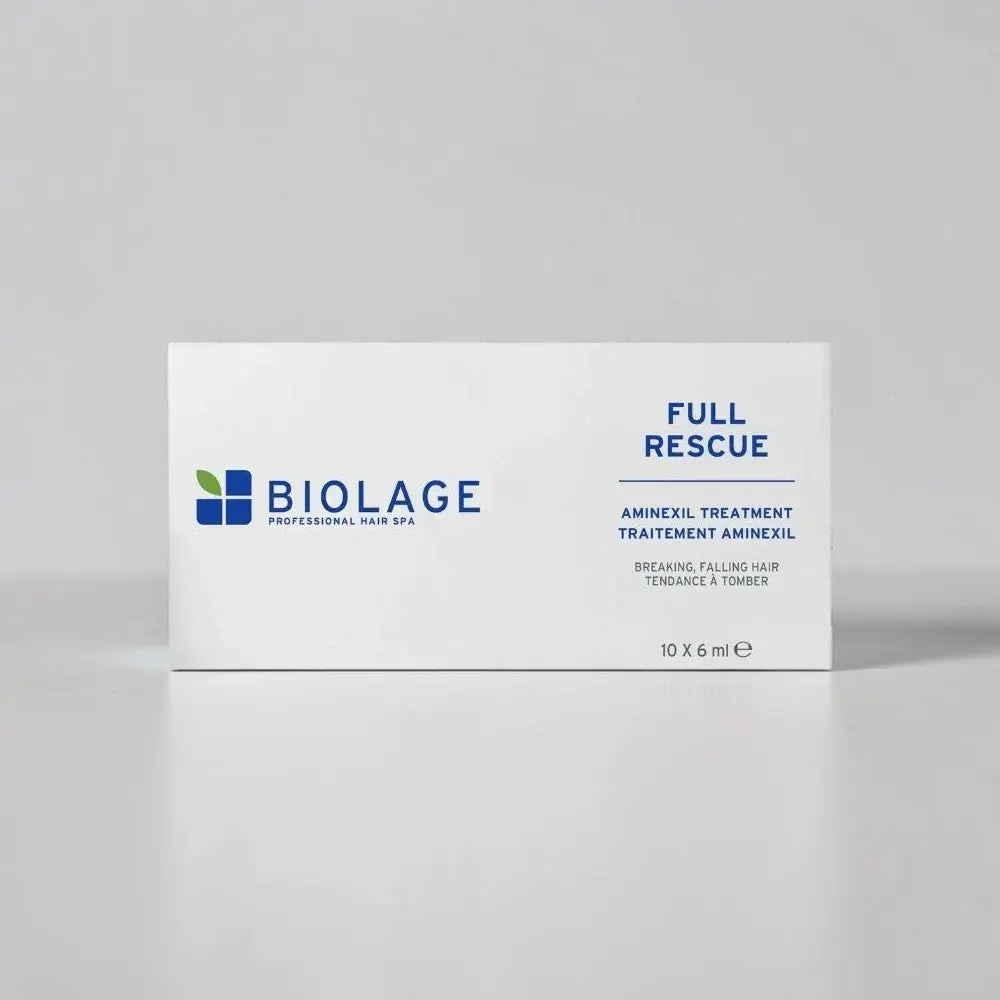
That makes them a supporting act. They suit people who want a salon-grade scalp routine alongside a proven treatment, or who have mild shedding and want to start gently.
| Product | Brand | Price | Format |
|---|---|---|---|
| Biolage Full Rescue Aminexil Treatment | Matrix Professional | Rs. 1,990 | 10 x 6 ml |
| Bonacure Scalp Genesis Root Activating Serum | Schwarzkopf Professional | Rs. 1,875 (regular Rs. 2,500) | Serum |
| L'Oreal Aminexil Advanced Serum | L'Oréal Professionnel | Rs. 3,150 | 90 ml serum |
| Dercos Technique Energy+ Aminexil Shampoo | Vichy | Rs. 3,590 | Shampoo |
| Kaminomoto General | Kaminomoto | Rs. 3,392 (regular Rs. 3,990) | 200 ml scalp solution |
| Kaminomoto Higher Strength | Kaminomoto | Rs. 3,800 (regular Rs. 3,990) | 200 ml scalp solution |
Who it suits
Choose a serum if you want a leave-on treatment for a thinning scalp and accept a modest, gradual effect. Bonacure's brand claim is up to 5% better hair density with regular use, which tells you the scale to expect. Do not buy one expecting a bald patch to refill.
Results, risks and cost
Judge any serum over three to four months of steady use, not weeks. Kaminomoto Higher Strength is applied twice a day, and the brand puts standard use at 1 to 1.5 bottles a month. At Rs. 3,800 that is Rs. 3,800 to Rs. 5,700 a month, or Rs. 22,800 to Rs. 34,200 for a six-month trial.
Run the six-month cost before you buy a serum, because hair takes that long to answer.
Biolage works out to Rs. 199 per 6 ml unit. Check each product page for directions.
5. Natural and home remedies for hair fall
How it works
Natural remedies work mainly on the scalp environment and on breakage, not on the hormones behind pattern loss. Scalp massage improves circulation and oils condition the hair shaft. None of them reactivates a follicle that has fully shrunk.
The evidence is limited but not empty. A small study in men found thicker hairs after daily scalp massage, and a small trial found rosemary oil comparable to 2% minoxidil after six months. Onion juice has only small studies in patchy hair loss. Coconut oil reduces breakage but has no evidence of regrowth.
Who it suits
These suit people with mild shedding who want a low-risk add-on, or anyone who wants a hair fall natural treatment alongside a medical plan. They are a weak choice as your only treatment for visible thinning.
- Massage the scalp with your fingertips for about 5 minutes a day
- Dilute rosemary oil in a carrier oil such as coconut or almond, never apply it neat
- Onion juice, curry leaves, rice water and hibiscus are popular, but evidence is thin
- Wash oils out the same day to avoid clogged pores and dandruff
Results, risks and cost
Give any home remedy three to four months before judging it, and patch test on your inner arm first. Onion juice and essential oils can irritate skin.
Home remedies calm the scalp and cut breakage, but they cannot bring back follicles that have stopped producing hair.
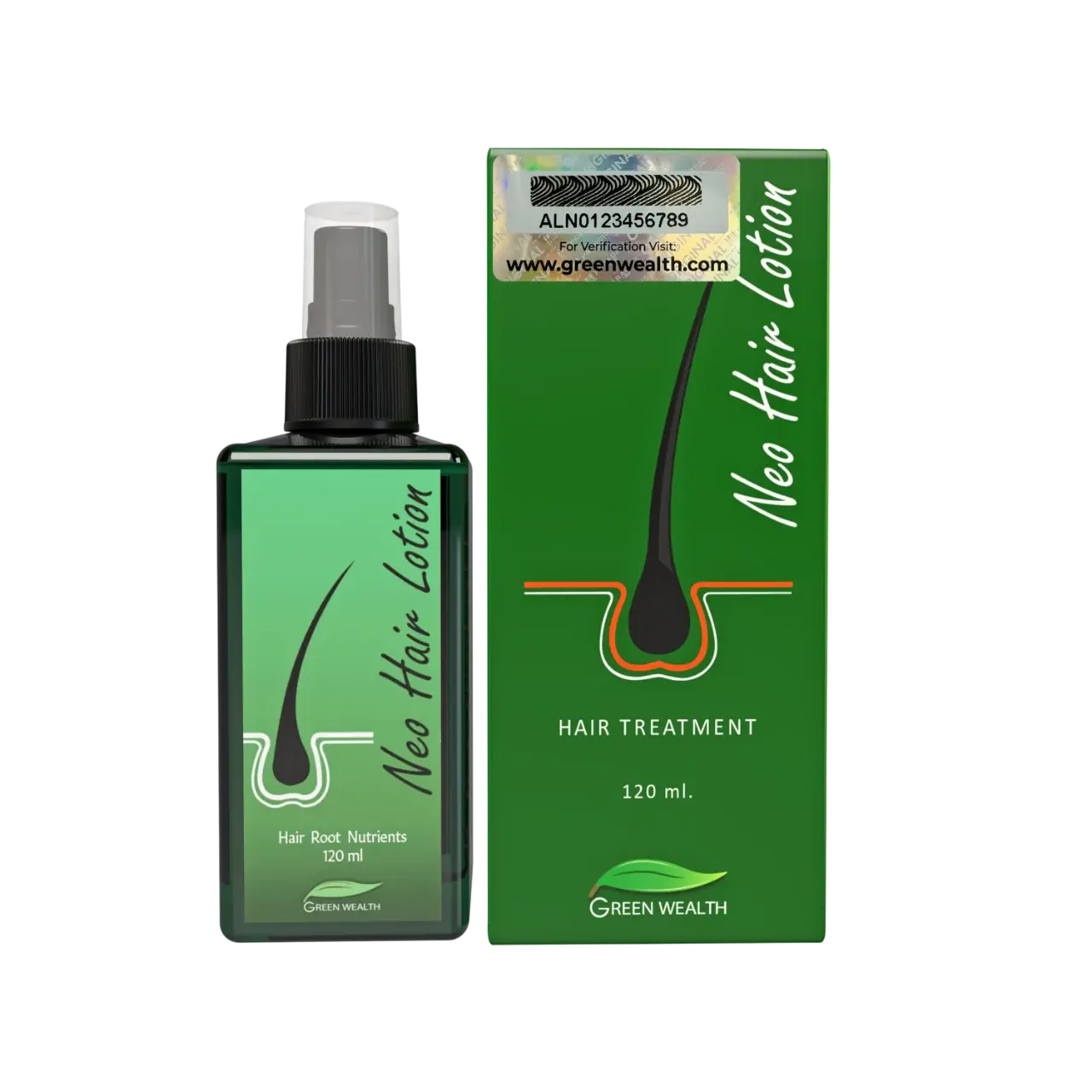
If you prefer a ready-made botanical option, Green Wealth Neo Hair Lotion costs Rs. 1,999 (regular Rs. 3,200). The brand describes a blend of ginseng, saw palmetto and biotin and quotes timelines of reduced shedding in weeks. Treat those as brand claims and judge it over months.
6. Gentler hair care habits
How it works
Thinning hair is fragile, so reducing damage protects the strands you still have. This does not regrow hair, but it stops breakage from making the problem look worse. Dermatologists at the American Academy of Dermatology give a clear set of rules.
Pulling hairstyles deserve special attention. Tight buns, ponytails and braids can cause traction alopecia, which becomes permanent if the pulling continues for years.
Who it suits
Everyone with hair fall should do this, especially people who heat-style daily, colour or straighten at home, or wear tight styles. It costs almost nothing, and it makes every other treatment on this list work on healthier hair.
- Use a gentle shampoo and a moisturizing conditioner after every wash
- Dry with a microfiber towel and use the lowest heat setting, or air dry
- Brush gently, and only as much as you need to style
- Keep curling irons, flat irons and hot combs for special occasions
- Stop at-home colouring, perming and chemical straightening while shedding, and see a salon that examines your scalp first
- Skip hot-oil treatments, avoid twisting or pulling your hair, and stop smoking
Results, risks and cost
Breakage drops within a few weeks, but real density changes need months. There are no risks, only habits to change.
You cannot style your way out of pattern hair loss, but you can stop styling from making it worse.
The cost is mostly a better conditioner and a microfiber towel. Note that eating too few calories can also cause significant hair loss, so do not crash diet while you treat shedding.
7. In-clinic treatments: PRP, laser and transplant
How it works
Clinics offer three procedures. Platelet-rich plasma (PRP) uses your own blood, spun to concentrate platelets, and injects it into the scalp to stimulate follicles. Low-level laser devices shine red light at the scalp, and the US FDA has cleared one for hereditary hair loss in men and women. Hair transplant surgery moves hair from a denser area to the thinning one.
PRP is usually given as a series of sessions a few weeks apart, followed by maintenance sessions. Protocols vary by clinic, so ask for the plan in writing.
Who it suits
PRP and laser suit early to moderate thinning, usually alongside minoxidil or finasteride. A transplant suits stable, advanced pattern loss in people with enough donor hair at the back and sides.
A transplant does not stop ongoing loss. You still need medical treatment to protect the hair around the transplanted area, and hereditary loss keeps progressing despite surgery.
Results, risks and cost
For laser, a few small studies show better density, but long-term effects need more research. For transplants, risks include bleeding, bruising, swelling and infection, and you may need more than one surgery. The procedure needs sedation because it is painful.
Procedures add density only on top of a treatment that controls the underlying loss.
Prices vary widely between clinics and by number of grafts or sessions. Get written quotes, and choose a board-certified dermatologist or cosmetic surgeon.
8. Hair fibers for instant coverage
How it works
Hair fibers do not treat hair fall. They are fine coloured fibers that cling to your existing hair and fill visible gaps, so thinning at the crown, parting or hairline looks denser at once. They bridge the months that medical treatments need.
Brands such as Toppik, Keratouch, Shills, Helon and Dexe sell them in shades from black and browns to blonde, white and gray. Hairline optimizers and application tools exist for sharper edges.
Who it suits
Fibers suit anyone who needs to look fuller today, such as before a wedding, interview or event. They also help people in the first six months of minoxidil or finasteride, when regrowth is not yet visible. Match the shade to your natural colour for the most natural result.
Results, risks and cost
The effect lasts until you wash your hair. Prokarehub's fiber range runs from about Rs. 490 to Rs. 7,990, depending on brand, size and whether you buy a tool kit.
Fibers cannot stop hair fall, but they make thinning invisible while the real treatment works.
Apply to dry hair as the pack directs, and keep up your actual treatment, because covering the problem does not slow it.
Where to start with hair fall
Begin with the cause. Get basic blood tests if your shedding is sudden, see a dermatologist if your thinning is gradual or patchy, and use minoxidil or a prescribed pill when the pattern fits. Add gentle hair care, a scalp serum or home remedies as support, and give everything at least three to six months before you judge it.
Hair fall treatment is slow, and the people who get results are the ones who stay consistent. If you have an event coming up, you do not have to wait for regrowth: you can cover thinning hair instantly with hair fibers while your treatment does its work.