

Home Treatment for Hair Fall and Dandruff: 6 Easy Remedies
The best home treatment for hair fall and dandruff is a short routine, not a single miracle ingredient. Use one cleansing, antifungal remedy such as neem, diluted apple cider vinegar or diluted tea tree oil to control flakes. Pair it with one soothing or strengthening remedy such as aloe vera, coconut oil or fenugreek to protect your hair from breakage. Treat the dandruff first, because constant itching and scratching damages hair and irritates the follicles. Calming the scalp often reduces shedding too. If your scalp is dry, start with aloe vera or coconut oil. If it is oily and flaky, start with neem, vinegar or tea tree oil. If shedding is your main worry, add fenugreek.
Flakes on your shoulders and strands in the brush at the same time is frustrating. Most advice online treats the two problems separately, or lists ten remedies without telling you which one to pick. It also helps to know that losing 50 to 100 hairs a day is normal, so a few strands on your comb are not an emergency.
This article covers six natural remedies you can make with ingredients from your kitchen or garden. For each one, you get what it does, how to use it and who should skip it. Prokarehub sells salon dandruff and hair fall products, so we also say plainly where kitchen remedies stop being enough. Patch test everything first. See a dermatologist if nothing improves in 3 to 4 weeks, or if you notice patchy loss or red, scaly patches.
1. Aloe vera
How it helps
Aloe vera gel is the gentlest remedy on this list, which makes it the best starting point for an itchy, dry or red scalp. It is mostly water, and it soothes and hydrates skin. Some lab studies also point to mild antifungal activity.
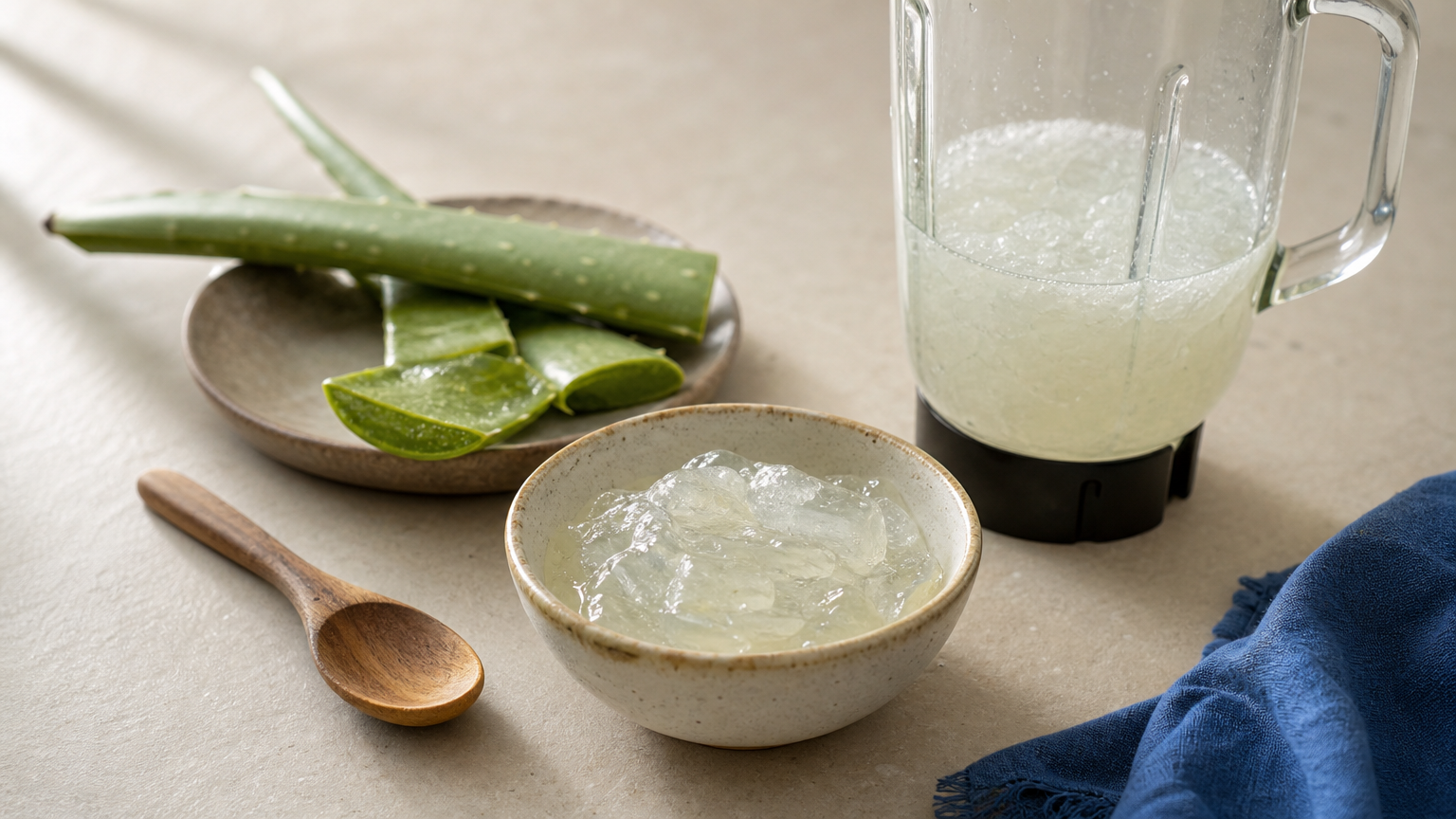
Be realistic about hair fall. Aloe will not regrow hair by itself. But a calm, hydrated scalp sheds fewer flakes and gets scratched less, which means less breakage from itching. That makes aloe a good base layer before you use stronger remedies.
How to use it
Fresh gel works best. Follow these steps:
- Cut a leaf and let the yellow latex drain for a few minutes, since it can irritate skin.
- Scoop out the clear gel and blend it until smooth.
- Massage it into your scalp and leave it for 20 to 30 minutes.
- Rinse with lukewarm water and wash with a mild shampoo.
Repeat two to three times a week. If you buy bottled gel, pick one without added fragrance or alcohol.
Who it suits and what to watch
Aloe suits anyone whose scalp feels tight and itchy, especially in winter or in air-conditioned rooms.
- Best for: dry, irritated or sensitive scalps.
- Skip it if: you react to the gel on your inner forearm within 24 hours.
Make small batches and keep the gel in the fridge, because fresh gel does not last.
Start with aloe vera when your scalp is irritated, because calming the scalp comes before treating it.
2. Coconut oil
How it helps
Coconut oil mainly protects hair from breakage. It does not kill dandruff. Its fatty acids, especially lauric acid, enter the hair shaft. Studies show that applying it before a wash reduces protein loss, which is why it helps with hair fall caused by snapping strands.
There is a catch. Dry-skin dandruff usually improves with oil. Dandruff from an oily scalp can get worse, because the Malassezia yeast behind it feeds on scalp oils. Small, dry, white flakes suggest oiling will help. Greasy, yellowish clumps suggest you should oil only the lengths of your hair.
How to use it
Warm 2 tablespoons of oil until it is comfortable on your skin, not hot. Then follow these steps:
- Massage it into your scalp for about five minutes.
- Leave it on for 30 to 60 minutes.
- Shampoo thoroughly, twice if the oil feels stubborn.
Do this twice a week. Skip overnight oiling if you are prone to dandruff.
Who it suits and what to watch
Coconut oil suits dry scalps and long, breakage-prone hair.
- Best for: dry flakes, brittle lengths and pre-wash conditioning.
- Skip scalp oiling if: your scalp turns greasy within a day of washing.
Rinse completely, because leftover oil traps dirt and can bring flakes back.
Use coconut oil to protect hair from breakage, and keep it off an oily, flaky scalp.
3. Neem
How it helps
Neem leaves have a long record in Indian households as an antifungal and antibacterial remedy. That makes neem a logical choice for flaking driven by yeast overgrowth and for pimple-like irritation on the scalp. Be aware that most of the evidence comes from lab work and tradition. Large human trials on neem for dandruff are limited.
Neem does not strengthen hair directly. Its value is cleansing. A scalp without buildup and itch gives the roots a better environment, which supports healthier hair growth over time.
How to use it
Make a rinse rather than a heavy paste:
- Boil a large handful of fresh leaves in 3 cups of water for about 10 minutes.
- Let it cool completely and strain it.
- After shampooing, pour it over your scalp, massage for two minutes and rinse lightly.
Alternatively, grind the leaves into a paste, apply it for 20 minutes and wash it off. Use neem once or twice a week.
Who it suits and what to watch
Neem suits oily, flaky scalps and people who prefer plant-based care. It can be drying, so more is not better.
- Best for: oily scalps with itchy flakes.
- Skip it if: your scalp is already dry, or you are pregnant or breastfeeding and have not checked with your doctor.
Do not apply concentrated neem oil without diluting it in a carrier oil.
Neem is a cleansing rinse for oily, flaky scalps, and once or twice a week is plenty.
4. Fenugreek seeds
How it helps
Fenugreek (methi) is the traditional answer to shedding. The seeds contain protein, and soaking them releases a slippery gel that coats the hair and the scalp. Many people find their hair feels thicker and less tangled, which means less breakage during combing. It may also calm dryness-related flaking.

The evidence is modest. There are small studies and a lot of tradition, but no proof that fenugreek stops genetic or hormonal hair loss. Treat it as support for hair that breaks, not a cure for hair that thins.
How to use it
Prepare the paste ahead of time:
- Soak 2 tablespoons of seeds in water overnight.
- Grind them into a smooth paste with a little of the soaking water.
- Apply it to your scalp and hair for 30 to 45 minutes.
- Rinse well with cool water and shampoo.
Use it once a week. You can stir in a spoonful of plain yoghurt if the paste feels harsh.
Who it suits and what to watch
Fenugreek suits dry, frizzy hair that snaps easily.
- Best for: breakage, dullness and a dry scalp.
- Skip it if: you are allergic to legumes such as peanuts or chickpeas, since fenugreek is a legume.
If shedding is heavy or lasts for months, the Hair Fall Control & Re-Growth collection at Prokarehub covers products built around actives like biotin and caffeine.
Fenugreek reduces breakage, but it will not reverse true hair thinning.
5. Apple cider vinegar
How it helps
Apple cider vinegar is a clarifying rinse. Its acidity dissolves styling product buildup and loosens dead skin, and it makes the scalp less comfortable for yeast. That is the reason it is so popular for flaky scalps.
Keep your expectations honest. Most claims are anecdotal, with few good clinical trials behind them. Vinegar also does nothing for hair fall directly. It helps indirectly, by clearing buildup that causes itch and by leaving hair smooth and detangled after a wash.
How to use it
Dilution matters, because undiluted vinegar can burn. Start with this mix:
- Combine 1 part vinegar with 3 parts water.
- After shampooing, pour it over your scalp and massage gently.
- Leave it for about five minutes, keeping it away from your eyes.
- Rinse thoroughly with water.
Use it once a week. You can raise the strength slowly if your scalp tolerates it.
Who it suits and what to watch
Vinegar suits oily scalps and people who use a lot of gels, sprays or serums.
- Best for: buildup, greasy roots and stubborn flakes.
- Skip it if: your scalp has cuts, open scratches or a burning, red rash.
Hair that is colour-treated can feel rougher after acidic rinses, so test on a small section first.
Dilute apple cider vinegar well, use it weekly, and treat it as a rinse, not a treatment for shedding.
6. Tea tree oil
How it helps
Tea tree oil has the best evidence for dandruff on this list. In a four-week trial, a shampoo with 5% tea tree oil improved dandruff severity by about 41%, against 11% for the placebo shampoo. It has antifungal properties that target the yeast behind most flaking.
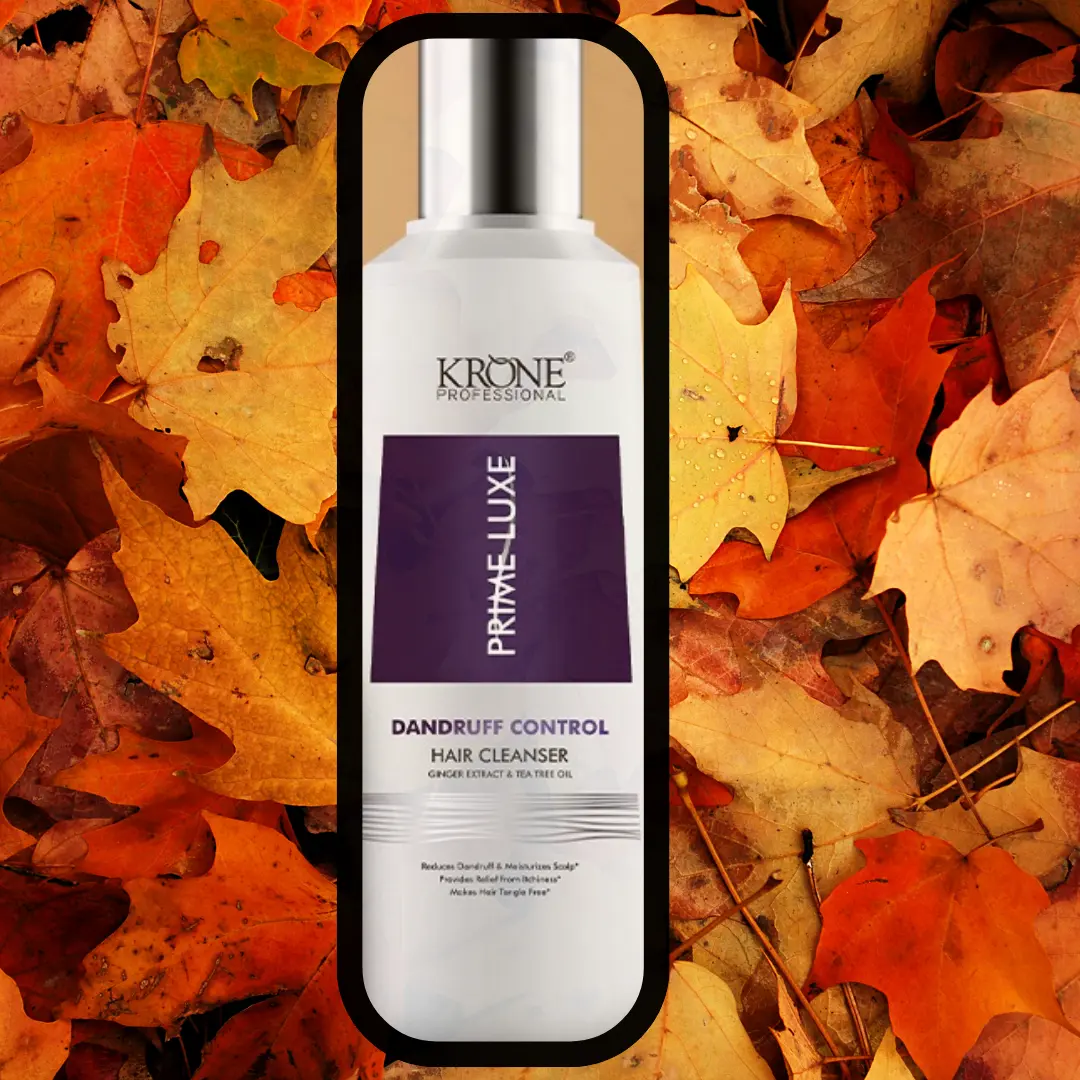
It will not regrow hair. But when itch and flaking fall, scratching stops, and that removes one cause of shedding along the scalp. It works best as a dandruff fix that protects hair indirectly.
How to use it
Never apply it undiluted. Choose one method:
- Add 3 drops to a teaspoon of coconut oil, massage in and leave it for 20 to 30 minutes before washing.
- Mix 2 to 3 drops into a palmful of your regular shampoo and lather as usual.
Use it two or three times a week for 3 to 4 weeks, then reassess.
Who it suits and what to watch
Tea tree oil suits persistent flakes that other gentle remedies have not shifted.
- Best for: stubborn, itchy dandruff.
- Skip it if: you have sensitive skin and it stings, or you get a rash after a patch test.
If you would rather not blend oils at home, a ready shampoo does the dilution for you. Krone Professional Dandruff Control Shampoo at Prokarehub contains tea tree oil and is priced at Rs. 361.
For stubborn flakes, diluted tea tree oil is the one natural remedy with real trial evidence.
What to do next
Pick one cleansing remedy and one soothing or strengthening remedy, and stick with both. A simple pairing is neem, vinegar or tea tree oil for flakes, plus aloe, coconut oil or fenugreek for the scalp and the hair shaft. Judge dandruff after three to four weeks, and judge shedding after about three months, since hair grows slowly. If nothing changes, see a dermatologist.
While your hair recovers, you do not have to live with visible thin patches. For a wedding or event, hair fibers at Prokarehub can hide thinning areas or a widening hairline instantly while your routine does its slower work.