

Hair Fall and Baldness Treatment: 5 Options Compared
The most effective hair fall and baldness treatment is the one that matches the cause. For most men and women with pattern thinning, that means minoxidil first. Men with confirmed pattern baldness can add finasteride, and women can ask a dermatologist about spironolactone. PRP, laser and a hair transplant suit people who want more than medication can give. Scalp care and hair fibers will not regrow hair, but they reduce breakage and hide thinning while real treatment takes effect.
Hair fall and baldness are different problems. Shedding after illness, crash dieting, stress or low iron is often temporary. Pattern baldness is hereditary and keeps progressing. A treatment that helps one does little for the other, so see a dermatologist first. A pull test, blood tests and your family history usually separate the two.
This article covers five options, ordered from best proven to most cosmetic. For each one, you get how it works, who it suits, and the results, cost and risks to expect, for men and women. Prokarehub sells scalp-care and cosmetic products, so you will find them in the last item, with honest limits on what they can do.
1. Minoxidil for men and women
How it works
Minoxidil is a topical solution or foam that you apply to the scalp. Doctors do not fully understand why it works, but it slows thinning and stimulates regrowth in many users. It is sold over the counter in 2% and 5% strengths, so you can start without a prescription.
Dosing differs by strength and by sex, so follow the pack or your dermatologist's advice. Apply it to the scalp skin, not just the hair, and try foam on wet hair if the liquid feels messy.
Minoxidil works only while you keep using it, so give it six months before you judge it.
Who it suits
Minoxidil suits both men and women, which makes it the standard first step for female hair fall and a common one for male pattern baldness. Dermatologists also use it for alopecia areata and for shedding after a trigger such as illness.
- Good fit: early to moderate thinning at the crown or parting.
- Poor fit: smooth, shiny bald patches where follicles are gone.
- Ask a doctor first if you are pregnant, breastfeeding or have an irritated scalp.
Results, cost and risks
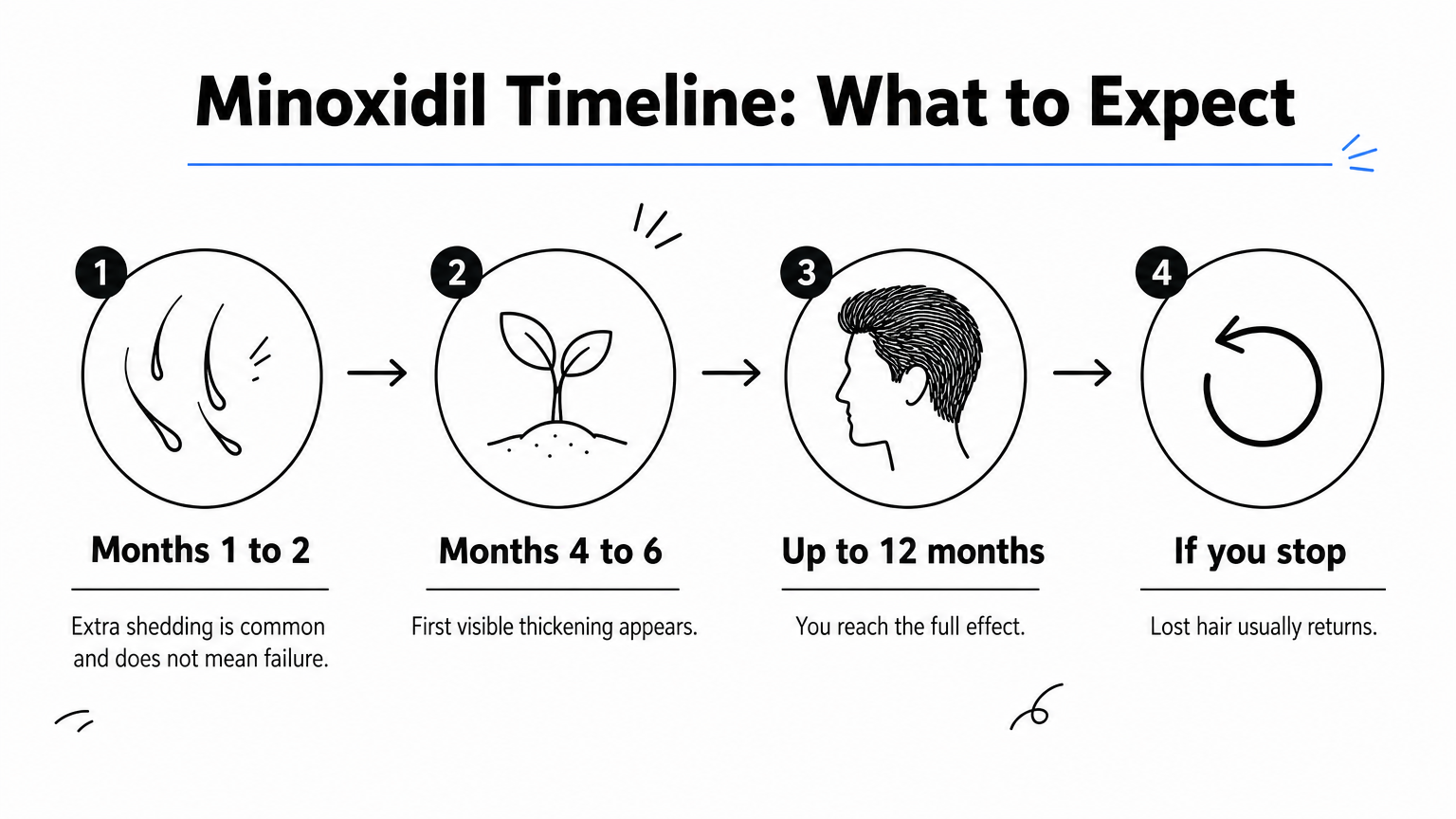
Expect a slow start. Extra shedding in the first month or two is common and does not mean the product is failing. The main side effects are scalp irritation and unwanted facial hair. Minoxidil costs far less than any procedure on this list, but you pay for it every month.
- Months 1 to 2: extra shedding is common.
- Months 4 to 6: first visible thickening.
- Up to 12 months: full effect.
- If you stop: lost hair usually returns.
2. Oral medicines: finasteride and spironolactone
How it works
Both drugs work by reducing the effect of androgens, the hormones that shrink hair follicles in people who are genetically prone to pattern loss. Finasteride is a once-daily pill for men that limits the body's production of the hormone involved. Spironolactone and estrogen-containing contraceptive pills act as antiandrogens for women. Dutasteride is another oral option. All of these are prescription only.
Take finasteride at the same time each day. It starts to work after about four months, and your dermatologist usually reviews progress at six months.
Oral hair medicines treat the hormone behind pattern loss, which is why a doctor must prescribe and review them.
Who it suits
Finasteride suits men with male pattern hair loss, though it may work less well in men over 60. Women with female pattern loss are usually offered spironolactone or hormonal pills instead.
- Antiandrogens are not for women trying to become pregnant.
- Women who are or may be pregnant should not touch crushed or broken finasteride tablets.
- Patchy autoimmune or scarring loss needs a different plan, so let a dermatologist decide.
Results, cost and risks
Side effects are uncommon but real. Treat them as a reason to talk to your prescriber early, not to quit silently.
- Finasteride: reduced sex drive, erectile dysfunction and depression are rare effects. Report mood changes.
- Spironolactone: irregular periods and drowsiness.
- Stopping: hair loss may recur, so plan for long-term use.
- Cost: ask your doctor whether a generic version is available.
3. PRP and low-level laser therapy
How it works
For PRP, a clinician draws your blood, spins it to concentrate the platelets, and injects the plasma into the scalp to stimulate weakened follicles. Low-level laser therapy uses a cap, band or comb that shines red light on the scalp. The US FDA has cleared a low-level laser device for hereditary hair loss in men and women.
Evidence is encouraging but thinner than for drugs. A few small studies show better hair density, and long-term effects need more study. PRP protocols also vary between clinics.
Treat PRP and laser as add-ons to proven medication, not replacements for it.
Who it suits
These options suit people with early to moderate thinning who want to add to minoxidil or finasteride, or who cannot tolerate them.
- Good fit: thinning hair that still has living follicles.
- Poor fit: advanced baldness with smooth, shiny skin.
- Tell the clinician if you have a blood disorder or take blood thinners.
Results, cost and risks
PRP is normally given as a series of sessions, followed by maintenance. Ask for the total cost of the full course in writing, not the price of one session. Expect scalp soreness and swelling for a day or two, with a small infection risk at injection sites.
Laser devices are well tolerated, but they need regular use for months before any change shows. A bargain price for a device with no regulatory clearance is a red flag.
4. Hair transplant surgery
How it works
A dermatologist or cosmetic surgeon takes hair from a part of the scalp that still has plenty, usually the back and sides. The surgeon then places it into bald or thin areas, one follicle or small group at a time. The procedure needs no hospital stay, but it is painful, so you receive local anesthesia or sedation.
Transplanted hair is long lasting, but your untreated hair keeps thinning if the cause is hereditary.
A transplant moves hair; it does not stop the loss around it, so most surgeons pair it with medication.
Who it suits
Surgery suits people whose pattern loss has stabilized and who have enough donor hair. Men with a receding hairline or crown are the typical candidates.
- Good fit: a clearly defined bald area and a healthy donor zone, in men or women.
- Poor fit: diffuse thinning, active shedding or unrealistic expectations.
- Women with all-over thinning are often poor candidates because donor hair thins too.
Results, cost and risks
A transplant is the most expensive option here. The price depends on the number of grafts and on the clinic, so get the full figure in writing and ask to see results from patients with hair like yours. Choose a qualified dermatologist or plastic surgeon, not a package deal.
- Risks: bleeding, bruising, swelling and infection.
- You may need more than one session for the density you want.
- Insurance generally does not cover it.
5. Scalp care, nutrition and hair fibers
How it works
These options do not reverse pattern baldness. They protect the hair you have and hide thin areas while medical treatment takes effect. Dermatologists advise a gentle shampoo, conditioner after every wash, the lowest heat on your dryer, loose hairstyles, and quitting smoking. Eat enough protein, iron and calories. Get a blood test before buying hair supplements, because too much selenium, vitamin A or vitamin E has been linked to hair loss.
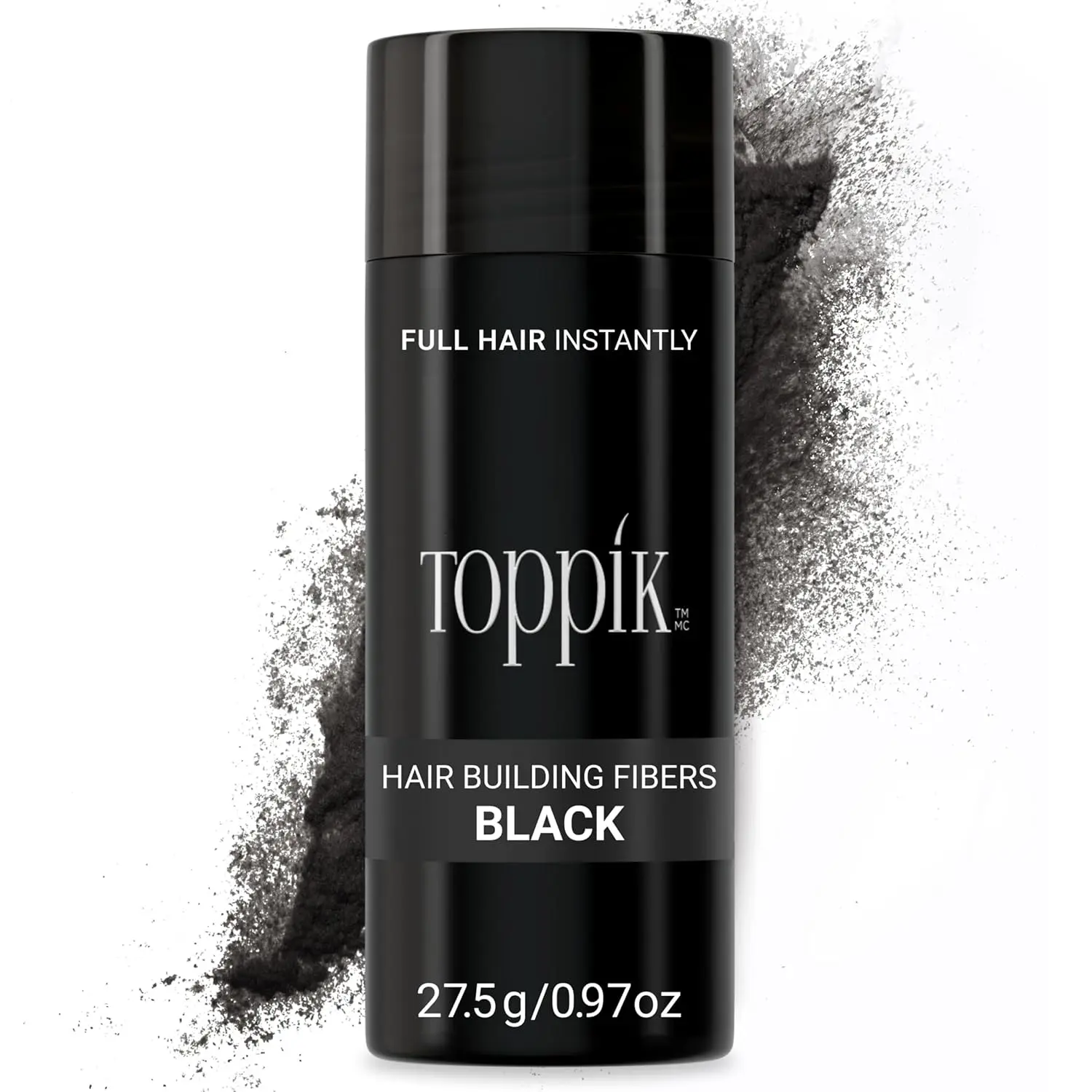
Scalp treatments with aminexil or botanicals aim to strengthen the hair fiber and cut breakage. Hair fibers are statically charged keratin that cling to existing strands and conceal thinning in seconds. They resist sweat and light rain until you wash them out.
Care and cover do not regrow hair, but they buy you confidence while minoxidil or finasteride does its slow work.
Who it suits
These suit people whose hair fall comes from breakage and weak strands, and people in the four-to-six-month wait for medication to work. They also help anyone with an event coming up.
- Good fit: early thinning, widening parting, breakage-led hair fall.
- Poor fit: sudden or patchy loss, which needs a diagnosis, not a serum.
- Use alongside medical treatment, never instead of it.
Results, cost and risks
Prokarehub sells these products sourced directly from brands or authorized distributors. Claims for aminexil and botanical formulas come from the makers, and the evidence is weaker than for minoxidil. Stop any product that irritates your scalp.
| Product | What it is | Price |
|---|---|---|
| Biolage Full Rescue Aminexil Treatment | 10 x 6 ml anti-hair-loss treatment | Rs. 1,990 |
| L'Oréal Professionnel Aminexil Advanced | Aminexil and Omega-6 treatment | Rs. 3,150 |
| Kaminomoto Higher Strength 200 ml | Japanese scalp solution, used twice daily | Rs. 3,800 |
| Green Wealth Neo Hair Lotion | Botanical hair lotion | Rs. 1,999 |
| Hair fibers | Instant cover in many shades | Rs. 490 to Rs. 7,990 |
Here is a worked example. Kaminomoto's standard usage is 1 to 1.5 bottles a month, so Higher Strength costs about Rs. 3,800 to Rs. 5,700 a month. Fibers are a one-time cover cost per container, which is why many people use them for events rather than as a treatment.
Where to start
Start with a dermatologist's diagnosis, because the right treatment depends on the cause. For pattern thinning, begin with minoxidil, and ask about finasteride if you are a man or spironolactone if you are a woman. Add PRP or laser if progress stalls, and consider a transplant only once your loss has stabilized. Throughout, look after your scalp and diet, and treat cosmetic products as support.
Medication takes four to six months to show results, and that wait is the hardest part. If you want thinning hidden before a wedding or event in the meantime, browse hair fibers at Prokarehub and match a shade to your hair.